
Shattered Pixel Dungeon
Shattered PixelRole Playing
4.89.86K Reviews
- Version
- Varies With Device
- Installs
- 5.00M
- Age Rating
- Everyone 10+
Screenshots
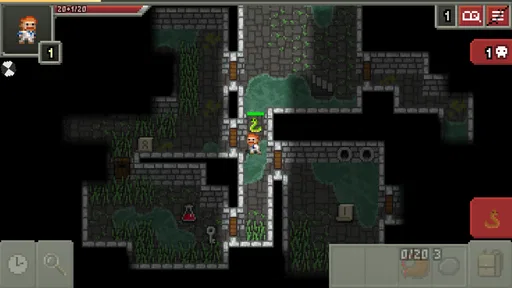
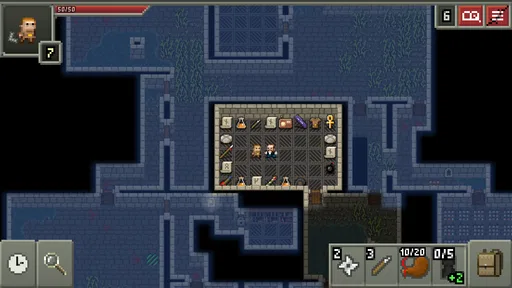
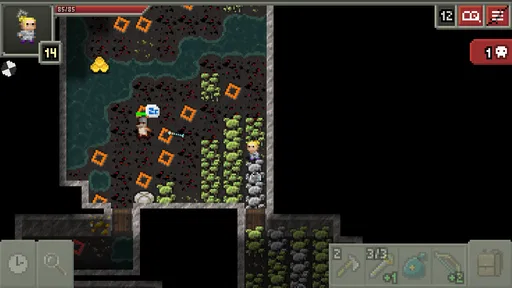
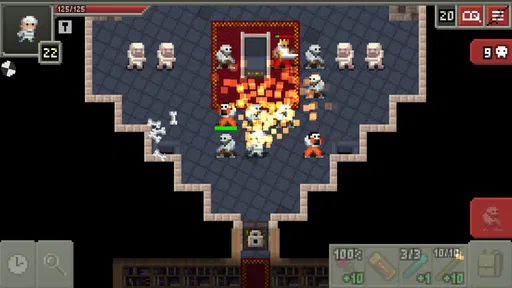
Our Review of Shattered Pixel Dungeon
 Analysis by Appyee
I keep coming back to Shattered Pixel Dungeon for the same reason I recommend it to friends who want a serious mobile role-playing game without a long tutorial: it gives me meaningful decisions almost immediately. A short expedition can become a careful lesson in planning, or collapse because I treated one dangerous room as if it were harmless. That tension is the heart of this game, and it is much more satisfying than simply tapping through battles until the next reward appears.
Developed by Shattered Pixel, this free roguelike dungeon crawler belongs to the role-playing category, but it feels more deliberate than many mobile RPGs. It does not ask me to manage a huge collection of heroes, wait for energy, or follow a heavily scripted campaign. Instead, each run asks me to read the dungeon, judge risk, use limited resources intelligently, and accept that a mistake can erase a promising attempt. This is a game about decisions rather than constant progression.
The audience response is unusually strong: the game holds an average rating of 4.8 from around 171 thousand ratings, with more than 5 million installs. Those figures make sense after spending time with it. The presentation is modest, yet the underlying design has enough depth to keep a failed run useful. I rarely feel that I have wasted time, because even a defeat teaches me something about enemy behavior, item use, positioning, or the danger of exploring one more room.
Why the dungeon loop works so well
At its simplest, the game puts me in a dungeon and asks me to survive. The appeal comes from how many small choices sit inside that basic idea. I decide whether to investigate a side passage, spend a healing resource now or save it, fight in an open area or retreat toward a safer position, and equip an unfamiliar object immediately or wait until I understand the situation better. None of these decisions looks dramatic on its own, but together they create the feeling that I am responsible for the outcome.
The turn-based structure is especially important on a phone. I can stop after nearly any action to think, which makes it suitable for a commute, a short break, or a quiet evening when I want a game that respects my pace. There is no pressure to react instantly. At the same time, the lack of a timer does not make the game easy. It simply moves the challenge from reflexes to judgment.
That makes the game a useful alternative to fast action RPGs. If I want flashy combat, rapid movement, or a steady stream of visual rewards, this will feel restrained. If I enjoy studying a situation before committing, the slower rhythm becomes a strength. The dungeon is not just a backdrop for combat; it is a series of problems that I solve with the tools currently available.
One of the most valuable habits I developed was treating every item as part of a larger plan rather than as an automatic upgrade. A stronger-looking piece of equipment may not be the best choice if using it creates another problem later. Consumables can rescue a run, but spending them casually can leave me helpless against a tougher encounter. I also learned to avoid entering a new room simply because it was available. Sometimes the correct move is to recover, reposition, or leave a resource untouched.
This is where the game feels closer to a traditional computer roguelike than to a typical mobile dungeon game. The interface is approachable, but the consequences are not softened into a routine victory path. I can understand the basic controls quickly, yet understanding the best way to use each opportunity takes much longer. That balance explains why the game is easy to begin but difficult to master.
Small decisions that improve a run
My most reliable improvement came from planning escape routes before starting a risky fight. When I attack first and think later, I often discover that an enemy can corner me or that the room offers less space than I assumed. Checking nearby tiles and keeping a retreat option open makes ordinary encounters far safer. This sounds obvious, but the dungeon encourages hurried decisions, especially when a run has been going well.
Another useful technique is to separate exploration from spending. I try not to use a valuable resource merely because I have found it. I first ask whether it solves an immediate problem, prevents a likely problem, or is simply tempting because it is available. That distinction matters more than collecting a large inventory. A modest supply used thoughtfully can carry me farther than a full inventory handled impulsively.
I also recommend paying attention to the environment instead of focusing only on the character and enemy. Doors, corners, open spaces, and the arrangement of nearby rooms change the value of a move. A fight that looks identical on paper can feel completely different depending on where it begins. For new players, learning to see the dungeon as part of the combat system is one of the biggest steps forward.
The game rewards this kind of observation without requiring me to memorize an enormous rulebook. I can experiment, fail, and gradually recognize patterns. That makes a successful run feel earned. The satisfaction does not come only from reaching a deeper area; it comes from noticing that I handled a familiar danger more intelligently than before.
Why repeated attempts remain interesting
Roguelike design can be frustrating when every attempt feels like a reset, but this game gives failure a useful role. I return with better instincts even when I do not keep the exact equipment or situation from the previous run. I become more cautious around certain threats, more selective with resources, and more willing to abandon an attractive but unsafe route.
The random nature of a run also changes how I approach the game. I cannot rely on following one perfect sequence every time. A strategy that worked beautifully in one dungeon may be awkward in another because the available tools, spaces, and encounters differ. That variety keeps the early areas from becoming completely automatic, although experienced players may still develop familiar routines.
For me, the strongest long-term appeal is the combination of uncertainty and fairness. I do not expect every run to be comfortable, but I usually understand why a decision went wrong. The game asks me to improve my choices rather than simply grind until the numbers become large enough. That is a major difference from many mobile RPGs, where progress can eventually overpower poor play.
It also makes the game a good fit for people who enjoy discussing strategies. I can imagine comparing approaches with a friend: whether to take a dangerous shortcut, when to preserve a healing item, or how to react when an unfamiliar situation appears. The game creates stories from ordinary systems, and those stories are often more memorable than a long sequence of scripted conversations.
The presentation is plain, but it serves the design
Shattered Pixel Dungeon does not try to impress me with a cinematic interface. Its visual style is compact and functional, allowing the dungeon layout and the position of threats to remain easy to read. I appreciate that clarity because the game depends on understanding space. Decorative effects would not compensate for confusing information, and the restrained presentation keeps my attention on the decisions that matter.
The same simplicity may be the main barrier for players who choose mobile games primarily for spectacle. Someone expecting a large animated world, elaborate character scenes, or constant audiovisual excitement may find the experience austere. I would not call that a flaw in the design, but it is an important preference check. The game’s personality comes from systems and atmosphere rather than presentation alone.
Because it is free, it is easy to try without committing money first. Optional in-app purchases are listed at prices ranging from $4.99 to $19.99 per item, so players who want to spend should understand that the game is not limited to a completely purchase-free experience. I do not think the basic appeal depends on paying, but anyone sensitive to optional purchases should review the available choices before deciding how they want to use the game.
The age rating is Everyone 10+, which fits the accessible presentation and fantasy dungeon setting. Still, the difficulty is more demanding than the friendly visual style might suggest. A younger player may understand the controls quickly but still need patience to deal with repeated defeats. I would recommend it to a thoughtful player who enjoys learning from mistakes, not simply to someone looking for an easy game because it appears simple.
The friction I would want new players to know about
The biggest weakness is that the game can be unforgiving before its logic becomes familiar. A new player may lose a run after making a choice that seemed reasonable at the time, then struggle to identify the exact mistake. The systems are learnable, but they do not always explain their consequences in the moment. I had to become comfortable with experimentation and accept that some knowledge arrives through failure.
That friction is part of the intended challenge, yet it can still feel harsh on a small screen. Mobile play encourages quick sessions, and quick sessions encourage quick decisions. Those habits work against the careful reading the game rewards. I get better results when I play slowly, even if I only have a few minutes. Rushing because I am about to leave the bus or close the app is a reliable way to turn a good run into a bad one.
Another limitation is the absence of the usual comfort found in more conventional RPGs. There is no simple promise that every session will deliver a stronger character, a new story scene, or a permanent collection item. The reward is improvement in understanding, which is meaningful to me but less appealing if I want visible progress after every play session.
I would also skip it if my main requirement is a social experience. The game works best as a focused solo challenge. It does not replace a party-based adventure, a cooperative dungeon game, or a story-heavy RPG with frequent character interaction. Choosing it means choosing concentration, repetition, and self-directed experimentation over conversation and spectacle.
Players who dislike losing progress should think carefully before installing it. The design is built around the possibility that a run ends and must begin again. Even though each attempt can teach something, that does not remove the emotional sting of defeat. I enjoy that tension, but I would not describe it as relaxing in the same way as a casual match-three game or an idle RPG.
Who will get the most from it
I think the best audience is someone who wants a deep game that can be played in short bursts but does not feel shallow. A commuter can explore a few rooms, pause, and return later. Someone waiting for an appointment can make progress without needing a long uninterrupted session. The important point is that the game remains mentally engaging even when the session is brief.
It is also a strong choice for players moving from simpler dungeon games into roguelikes. The basic goal is immediately understandable, while the deeper lessons emerge through play. I would encourage a beginner to focus on survival rather than speed, inspect the surroundings before attacking, and treat every defeat as information. Trying to reach the deepest possible area immediately can make the first hours more frustrating than they need to be.
Experienced role-playing fans may appreciate the clean focus. The game removes many distractions that often surround mobile RPGs and puts the emphasis on tactical choices. I especially value that it does not need a large cast or a complicated narrative framework to create tension. The dungeon itself supplies the structure, and my decisions supply the drama.
On the other hand, players who want generous checkpoints, constant rewards, or a guided story should look elsewhere. A traditional campaign RPG would be better for someone who wants to follow a clear plot and steadily strengthen a favorite character. A real-time action game would suit someone who measures fun through movement and reflexes. Shattered Pixel Dungeon is the better option only when its slower, more punishing style sounds appealing rather than merely tolerable.
It is worth remembering that the game has been available since September 15, 2014, yet it does not feel dependent on novelty. Its appeal comes from replayable decision-making rather than from being the newest release. That makes it a practical recommendation for someone who wants a game to keep installed and revisit, provided they enjoy a challenge that asks for patience.
My verdict after living with the challenge
My overall impression is strongly positive. Shattered Pixel Dungeon succeeds because it respects the player’s ability to think. It gives me simple actions with complicated consequences, then lets me improve through observation instead of burying the experience under unnecessary systems. The free entry point makes trying it straightforward, while the high average rating and large player base reflect how well its focused design has connected with mobile RPG fans.
I would recommend it to a friend who says, “I want a dungeon game, but I do not want an automatic battle system.” I would also recommend it to anyone who enjoys turning a failed attempt into a better plan. The most satisfying moments are not always the deepest discoveries; sometimes they are the ordinary encounters I now handle calmly because I learned not to underestimate them.
My caution is just as clear: do not install it expecting a gentle, story-led mobile adventure. The game can be demanding, repetitive by design, and unforgiving when I ignore the information in front of me. It rewards attention more than impatience, and it may not offer the kind of progress that keeps every player motivated.
For me, that trade-off is worthwhile. Shattered Pixel Dungeon is at its best when I treat every move as a question rather than a formality. If that sounds like the kind of challenge you want from a role-playing game, this is an excellent free place to start. If you prefer spectacle, social play, or guaranteed progress, another mobile RPG will probably fit your habits better.
Verdict
Strengths of Shattered Pixel Dungeon
- Deep, strategic gameplay with meaningful choices every run.
- Frequent updates add content, balance changes, and quality improvements.
- Distinct classes and subclasses support varied playstyles.
- Open-source development encourages transparency and community trust.
- Works well offline and has no energy system or forced advertisements.
Limitations of Shattered Pixel Dungeon
- Permadeath can feel punishing after a long run ends unexpectedly.
- The learning curve is steep for players new to traditional roguelikes.
- Runs can become lengthy, making quick sessions difficult to complete.
- Pixel-art visuals and limited animations may not appeal to everyone.
- Some progression relies heavily on luck despite careful planning.
Similar Picks in This Category
View All
Hair Dye
CrazyLabs LTD4.4

Monster High™ Beauty Salon
CrazyLabs LTD4.5

Bus Simulator - Bus Games 3D
Jima Apps4.4

Flight Pilot: 3D Simulator
Wildlife Studios4.1


Super Stylist Fashion Makeover
CrazyLabs LTD4.4
Frequently Asked Questions
What is Shattered Pixel Dungeon?
Shattered Pixel Dungeon is a challenging, turn-based roguelike RPG for Android and iOS. You choose from several heroes, explore randomly generated dungeon floors, fight monsters, collect equipment, and search for a way to defeat powerful bosses. Each attempt is different, and permanent death means that losing a run sends you back to the beginning, encouraging experimentation and careful planning.
Is Shattered Pixel Dungeon free to download and play?
Yes, Shattered Pixel Dungeon is generally available as a free download, and its core gameplay can be enjoyed without paying. The game is supported through optional donations or supporter features rather than forcing players to purchase energy, lives, or progress. Availability and exact purchase options can vary slightly depending on whether you download it from Google Play or the Apple App Store.
Is Shattered Pixel Dungeon suitable for beginners?
The game is easy to start but difficult to master. Its controls and basic objectives are straightforward, yet enemies, traps, hunger, limited resources, and randomly generated levels can punish careless decisions. Beginners should expect to lose frequently while learning enemy behavior, item effects, and class abilities. The experience becomes much more rewarding once you begin planning several moves ahead.
Does Shattered Pixel Dungeon work offline?
Shattered Pixel Dungeon is designed primarily as a single-player experience and can generally be played without a constant internet connection. This makes it convenient for travel or situations where mobile data is unavailable. You may still need internet access for the initial download, updates, store verification, or optional support-related features, so it is sensible to launch and update the game before going offline.
What makes Shattered Pixel Dungeon different from other dungeon games?
Its appeal comes from combining traditional roguelike difficulty with a polished mobile interface and meaningful character progression during each run. Randomly generated dungeons, multiple playable heroes, upgrade choices, equipment identification, secret areas, and tactical combat create substantial variety. There is no simple automatic victory path; success depends on resource management, positioning, risk assessment, and learning from every failed attempt.
Play our best games!


